
Risk Management in Trading: Why It’s More Important Than Profit
Risk Management in Trading: Why It’s More Important Than Profit When most new traders enter the financial markets — whether it’s forex, stocks, commodities, or indices — their primary focus is almost always on making money. They spend hours learning chart patterns, studying economic news, and testing strategies to find the “perfect entry point.” However, […]
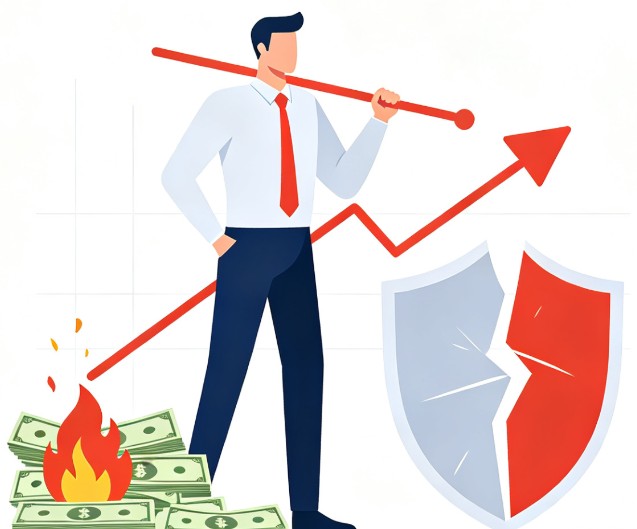
Risk Management in Trading: Why It’s More Important Than Profit
When most new traders enter the financial markets — whether it’s forex, stocks, commodities, or indices — their primary focus is almost always on making money. They spend hours learning chart patterns, studying economic news, and testing strategies to find the “perfect entry point.” However, there is one critical factor that separates successful traders from those who eventually lose everything: risk management.
In the world of trading, profit is the goal, but risk management is the foundation that allows you to stay in the market long enough to achieve that goal. Without proper risk control, even the most accurate strategy will eventually lead to account failure. In this comprehensive guide, we will explain exactly what risk management is, why it matters more than chasing profits, and how you can apply simple rules to protect your capital consistently.
SEO Note: This guide covers risk management principles suitable for all trading styles — from day trading and swing trading to long-term position trading — and follows best practices for clarity and readability.
What Is Risk Management in Trading?
Risk management in trading refers to the set of rules, strategies, and techniques used to identify, evaluate, and control the potential financial loss of every trade you open. It is not about avoiding risk entirely — risk is an inherent part of trading — but rather about keeping risk at a level that is manageable, predictable, and does not threaten your overall trading capital.
Think of risk management as the brakes and safety belt in a car. You can have the most powerful engine (your trading strategy), but without brakes, you will eventually crash. Good risk management ensures you survive the bad times so you can benefit from the good times.
Why Risk Management Comes Before Profit
You may wonder: “If I want to make money, why should I focus on limiting losses first?” Here are the most important reasons why risk management is more valuable than high short-term profits:
1. Losing Trades Are Unavoidable
No trading strategy has a 100% win rate. Even professional traders with decades of experience face losing streaks. Market conditions change, economic events happen unexpectedly, and prices can move against your prediction at any time. If you do not control how much you lose per trade, a small series of losses can erase weeks or even months of hard-earned profits.
Important Fact: To recover a 50% loss in your account, you need to make a 100% profit. To recover a 75% loss, you need a 300% return. The bigger the loss, the harder it becomes to get back to break-even.
2. It Protects Your Most Important Asset: Capital
You cannot trade without money. Your trading capital is your business capital — if you lose it, you are out of the game. The first rule of trading is simple: Preserve capital first, then aim for profits. By managing risk properly, you ensure that even after several losing trades, you still have enough funds to continue trading and take advantage of future opportunities.
3. It Eliminates Emotional Decision-Making
When you risk too much on a single position, emotions take over. Fear of loss makes you close winning trades too early, while greed and hope make you hold onto losing trades longer than you should. This is known as emotional trading, and it is the fastest way to ruin an account.
With clear risk management rules in place, every decision is based on logic and calculation, not feelings. You know exactly how much you can afford to lose before you enter a trade, which keeps you calm and disciplined.
4. It Creates Consistent, Long-Term Growth
Many traders look for “home runs” — trades that double or triple their money in a short time. However, these high-risk trades often come with a high chance of failure. A strategy that gives small but steady profits while keeping losses limited will always outperform a strategy that chases big gains but suffers large drawdowns.
Compounding works best when your account grows steadily. Risk management ensures your account grows smoothly rather than swinging wildly between huge gains and devastating losses.
Core Principles of Effective Risk Management
Now that you understand why risk management is essential, let’s look at the practical rules you can apply immediately to every trade you make:
1. Follow the 1% or 2% Risk Rule
This is the most widely recommended rule among successful traders. It states that you should never risk more than 1% to 2% of your total trading capital on a single trade.
Example: If your trading account has $5,000, your maximum allowed loss per trade is $50 (1%) to $100 (2%). This means even if you have 10 losing trades in a row, your account will only decrease by 10% to 20% — a loss that is easy to recover from.
Pro Tip: Beginners should start with the 1% rule. As you gain more experience and consistency, you may consider increasing it slightly, but never go above 3% to 5% under any circumstances.
2. Always Use a Stop-Loss Order
A stop-loss order is an instruction you set with your platform to automatically close your trade when the price reaches a specific level. It defines your maximum possible loss before you even enter the market.
Without a stop-loss, a small loss can turn into a massive loss if the market moves strongly against you. Using stop-losses removes the need to monitor the screen 24/7 and prevents emotional decisions during volatile periods.
3. Understand and Control Leverage
Leverage allows you to control a larger position with a smaller amount of capital. While it can increase profits, it also multiplies losses. High leverage is one of the biggest reasons new traders lose their accounts quickly.
Good risk management means using leverage wisely. Avoid using the maximum leverage available. Lower leverage gives you more room for price fluctuations and reduces the chance of a margin call.
4. Use a Favorable Risk-to-Reward Ratio
Before opening any trade, calculate your risk-to-reward ratio. This compares how much you are risking to how much you expect to gain. A standard rule is to aim for a ratio of at least 1:2.
Example: If you risk $20 on a trade, your profit target should be at least $40. This way, even if you win only 40% of your trades, you will still make a net profit over time.
5. Diversify Your Trades
Never put all your trading capital into one asset or one market. If you trade only one currency pair or stock, a single unexpected event can wipe out your entire account. Spreading your positions across different instruments reduces the impact of a loss in any single trade.
6. Set a Daily or Weekly Loss Limit
To protect yourself from a bad trading day, set a rule: if you lose a certain percentage of your account in one day or week, stop trading for the rest of the period. This prevents you from trying to “chase back” losses — a common mistake that leads to even bigger damage.
Common Mistakes to Avoid
- Trading without a plan: Entering trades without knowing where to exit or how much to risk.
- Moving stop-losses further away: Doing this to avoid being stopped out only increases your potential loss.
- Overtrading: Opening too many positions at once increases your total exposure and risk.
- Ignoring market volatility: High volatility means wider price swings — adjust your position size accordingly.
Final Thoughts
Profit is the reward of trading, but risk management is the tool that makes that reward possible. The difference between a trader who succeeds for years and one who fails quickly is almost never about how much profit they make in a single month — it is about how well they protect their capital during losing periods.
Start every trading plan by defining your risk, not your profit target. When you make risk management your first priority, consistent profits will naturally follow as a result of your discipline and strategy.
Disclaimer: This content is for educational and informational purposes only and does not constitute financial advice, investment recommendation, or solicitation to buy or sell any financial instrument. Trading involves significant risk of loss and is not suitable for all investors. Past performance is not an indicator of future results. Always ensure you understand the risks involved and consider consulting a qualified financial advisor before making any trading decisions.