
Common Mistakes to Avoid When Working With a Broker
When you start trading or investing, choosing and working with a broker is one of the most important decisions you will make. A good broker helps you execute trades smoothly, keeps your funds secure, and supports your financial goals. However, even experienced traders sometimes make mistakes that can cost them money, time, or both. Whether […]
When you start trading or investing, choosing and working with a broker is one of the most important decisions you will make. A good broker helps you execute trades smoothly, keeps your funds secure, and supports your financial goals. However, even experienced traders sometimes make mistakes that can cost them money, time, or both.
Whether you are a beginner or have been in the markets for a while, avoiding these common pitfalls will help you have a safer and more successful experience.
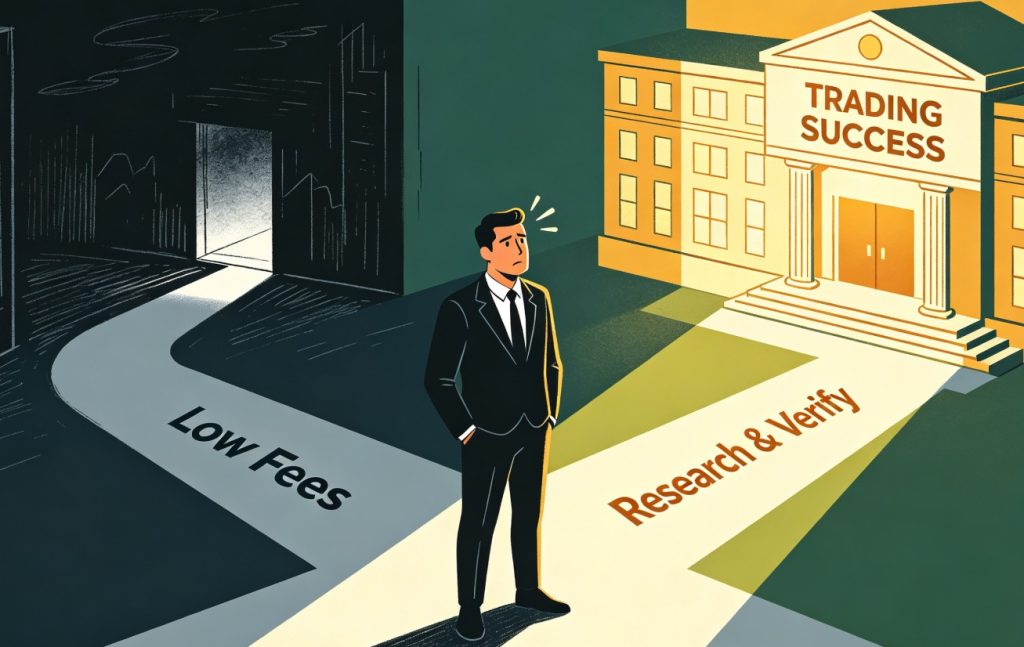
1. Choosing a Broker Based Only on Low Fees or Bonuses
This is the most frequent mistake new investors make. It is true that costs matter, but focusing only on the lowest fees, highest leverage, or large welcome bonuses can be risky.
Sometimes brokers offer very low rates or attractive promotions but cut corners in other areas. They may have slow order execution, poor customer support, limited tools, or weaker security standards. In the worst cases, overly generous offers can be a red flag for unregulated services.
Better approach: Compare the total value, not just the price. Look at reputation, reliability, and service quality alongside costs.
2. Skipping Research and Verification
Many people open an account quickly after seeing an advertisement or a recommendation from someone else, without doing their own checks. This can lead to working with an unreliable or unregulated provider.
Without proper verification, you risk dealing with a broker that may not follow fair practices, making it difficult to withdraw funds or resolve disputes later.
Better approach: Always confirm that the broker is properly licensed and regulated by recognized authorities. Check independent reviews, user feedback, and how long the company has been operating.
3. Ignoring Terms and Conditions
It is tempting to click “Agree” without reading the long legal documents when signing up. However, the terms and conditions contain critical details about how the service works.
Important rules are often hidden here, such as minimum deposit requirements, limits on how much you can withdraw, processing times, fees for inactivity, and policies regarding account closure. Not knowing these rules can lead to unexpected charges or restrictions later.
Better approach: Read at least the sections related to fees, deposits, withdrawals, and account policies. If something is unclear, ask customer support for clarification before funding your account.
4. Not Testing the Platform First
Every broker uses its own trading platform or software. Some are user-friendly and stable, while others may be confusing, slow, or prone to technical glitches.
If you start trading with real money immediately and find the platform difficult to use, you could make errors entering orders, miss market opportunities, or face delays during volatile times.
Better approach: Use a demo account if available. It lets you practice, explore all features, and see if the platform suits your style without risking real capital.
5. Overlooking Withdrawal Policies
Depositing money is usually fast and easy, but withdrawing it is where problems sometimes appear. Some brokers have strict conditions: high minimum withdrawal amounts, long processing periods, extra fees, or requirements to complete complex verification steps.
If you do not check this beforehand, you may face delays or extra costs when you want to take out your profits.
Better approach: Understand exactly how withdrawals work: what methods are allowed, how long they take, and what fees apply. A reliable broker will make withdrawals as simple as deposits.
6. Neglecting Security and Fund Protection
Your money and personal data are valuable assets. Some traders focus only on how much they can earn and forget to check how well the broker protects their account.
Without proper security measures, your funds could be at risk, or your personal information might be exposed. Unregulated brokers are not required to follow strict safety standards, which puts you in a vulnerable position.
Better approach: Confirm that the broker uses encryption technology, offers two-factor authentication, and follows policies to keep client funds separate from company operating funds.
7. Overtrading Due to Easy Access
Modern brokers make it very simple to open and close trades in just a few clicks. While convenience is a benefit, it can also lead to overtrading — making too many trades in a short time just because it is easy to do.
This habit quickly adds up in fees, spreads, and transaction costs, which can eat into your profits even if some trades are successful.
Better approach: Stick to your trading or investment plan. Enter a trade only when there is a clear reason, not just because the platform makes it simple.
8. Not Keeping Records of Transactions
Many traders do not bother saving copies of trade confirmations, statements, or communication with the broker. If there is ever a discrepancy in your balance, an error in execution, or a dispute, having no records makes it much harder to solve the problem.
Better approach: Regularly download your account statements and save emails or chat logs. Good documentation protects your rights and helps you track your progress over time.
Final Thoughts
Working with a broker should make investing easier and safer, not create unnecessary risks. Most problems traders face are avoidable by taking the time to choose carefully, read the rules, and understand how the service works.
Remember: A reliable broker is a long-term partner in your financial journey. Making smart choices today will help protect your capital and improve your results tomorrow.
Disclaimer: This article is for educational and informational purposes only and does not constitute financial advice or investment recommendation. Trading and investing involve risk, including the possible loss of principal. Always conduct your own due diligence before making financial decisions.